Most phones in the ₹25,000–33,000 range make you compromise somewhere obvious — a mediocre display, a camera that falls apart indoors, or software so cluttered it slows the phone down within a year. The Motorola Edge 70 Fusion is interesting because its list of compromises is shorter than usual.
Check Motorola Edge 70 Fusion Price on Amazon India
A Display That Punches Well Above This Price
The Edge 70 Fusion uses a 6.78-inch 1.5K quad-curved AMOLED panel running at 144Hz — and that combination is genuinely rare at this price. Most competitors in the ₹25,000–30,000 bracket offer FHD+ at 120Hz. The 1.5K resolution means text is sharper, images have more detail, and the difference is visible in everyday use, not just in side-by-side comparisons.
The 144Hz refresh rate makes everything feel faster — scrolling, animations, game response. The curved edges give it a physical premium feel that few phones at this price bother with. If you spend significant time watching content or gaming, this screen is a meaningful reason to consider this phone over similarly priced alternatives.
Clean Software Is an Underrated Advantage
Motorola ships the Edge 70 Fusion with a near-stock Android interface — minimal bloatware, no aggressive notifications, no duplicate apps. This matters more than it gets credit for. Heavily skinned Android phones from some competitors add apps you never asked for, modify system behaviour in ways that drain battery, and often slow down noticeably after 12–18 months.
Motorola's clean UI stays out of the way. For users who have been frustrated by cluttered interfaces on their previous phones, this is a genuine quality-of-life improvement — and it also means the phone holds up better over a longer ownership period.
Performance Across Three Variants
The phone runs on a Snapdragon 7s Gen 4 chip, available in three configurations:
- 8GB + 128GB — ₹26,999
- 8GB + 256GB — ₹29,999
- 12GB + 256GB — ₹32,999
In real-world use, the chip handles everything you'd expect from a mid-range phone without drama — Instagram, YouTube, video calls, documents, navigation. BGMI and Call of Duty Mobile run smoothly on medium-to-high settings. The 12GB RAM variant makes a difference if you keep many apps open simultaneously or use your phone for extended work sessions.
For most users, the 8GB variant is sufficient. The 12GB configuration makes sense for power users, content creators running editing apps, or anyone who wants headroom for three or four years of use.
The Camera Starts With a Better Sensor
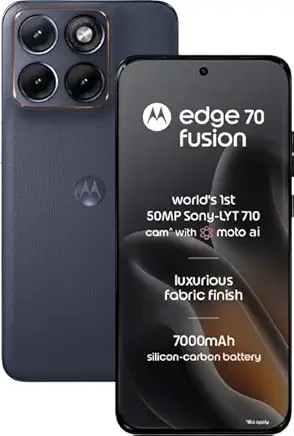
The main camera uses a 50MP Sony LYTIA 710 sensor with OIS — and the sensor choice matters. Sony's LYTIA line is known for better light capture and colour accuracy compared to generic sensors that appear in many phones at this price. In practice, daytime shots come out sharp and natural without the over-sharpening that makes photos look artificial on screen but fall apart when zoomed in.
OIS (optical image stabilisation) is the other important detail — it compensates for hand movement during handheld shots and makes a real difference in slightly dim indoor lighting and video recording. The 32MP front camera is on the higher end for selfies in this segment, producing detailed and well-exposed shots for video calls and social media.
Video stabilisation is reliable enough for reels and casual content — not a replacement for a gimbal, but better than many phones at this price.
Battery That Outlasts Most Competitors
The 7000mAh battery is a clear advantage. At this price, many phones offer 5000–5500mAh. The extra capacity translates to real-world endurance — heavy users who game, stream, and stay on calls through the day should still have battery left by bedtime. For lighter users, two-day battery life is achievable.
68W fast charging is quick without being flagship-fast. A 30-minute charge in the morning before leaving the house is enough for most people's full day.
Who Should Look at This
The Edge 70 Fusion occupies a specific position in the market — above the crowded ₹15,000–20,000 segment but well below the ₹40,000+ flagships. It makes sense for:
- Working professionals who want a clean, reliable phone they won't need to replace in two years
- Content consumers for whom the 1.5K 144Hz display is a daily benefit
- First-time mid-range buyers stepping up from a budget phone and wanting a genuine quality improvement without flagship pricing
- Parents buying for college-going students who need performance, camera, and battery in one device without the anxiety of handing over a ₹1 lakh phone
The current listing on Amazon India is worth checking for launch offers — bank card discounts at this price point can take ₹2,000–3,000 off the sticker price, which shifts the value proposition further in its favour.